Now that my Indie author journey of making writing into my own business is underway, it’s time to think about a few things to do with the reality of publishing: what constitutes success?
Finding success as a writer depends entirely on your outlook. The reality of my own writing career is this: for my books that were traditionally published in the past decade, I receive a royalty statement bi-annually, and I’m thankful that my books are still selling all these years later. But are the royalties enough to make a living from? Well, I work a day-job to pay the bills – so that says it all. Does that mean I’m successful as a writer – because small, but regular, amounts of money keep trickling in? Or am I unsuccessful as a writer because it isn’t my living and I do other work to keep a roof over my head?
Do I want to make writing my full-time job? Of course I do; what author doesn’t want to write as their day-job. But this is where the definition of success starts to get tricky to define. Suppose an author is able to write full-time because they have income from another source to pay for their living costs. Technically, they’re at home writing for their nine to five, regardless of how well their books sell. Is that success as a writer; writing as a full-time occupation, regardless of how the bills are paid?
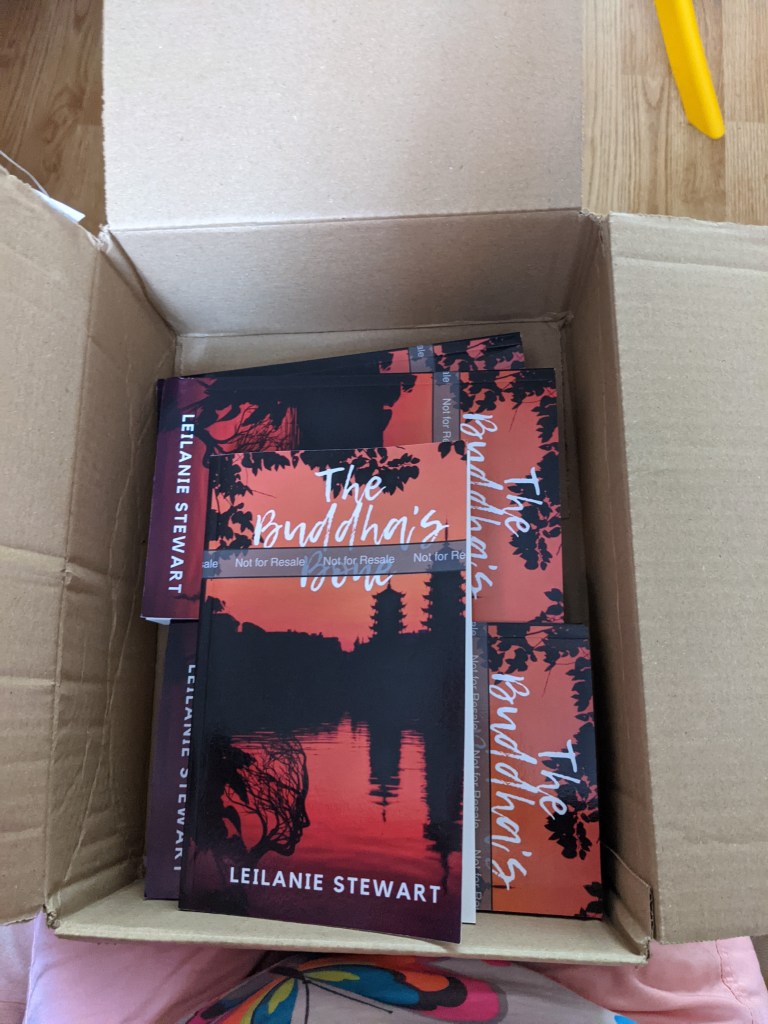
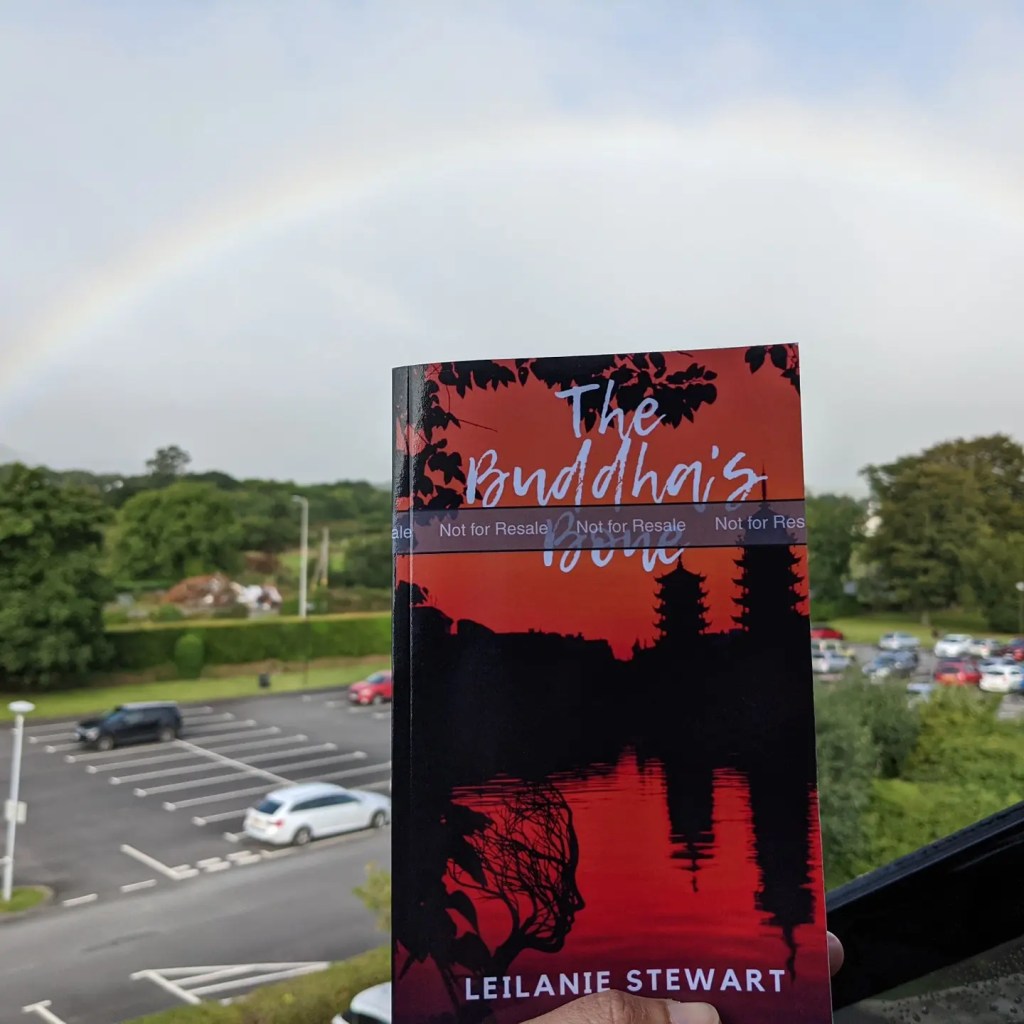
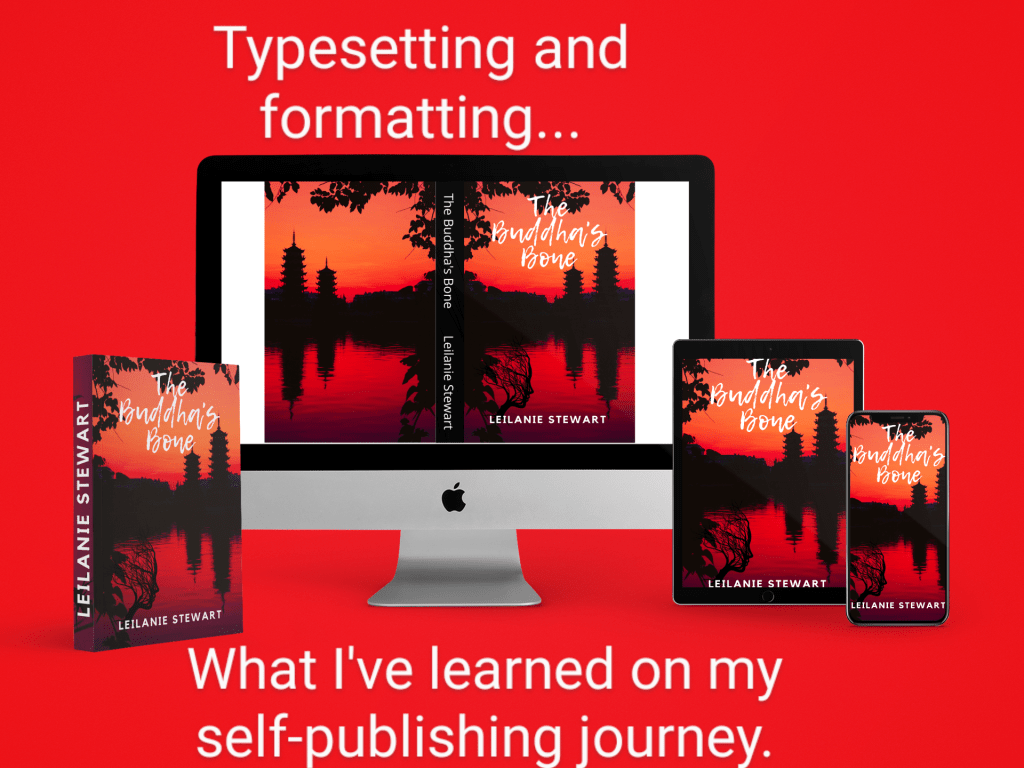
Then we have to factor in the costs spent versus the royalties reaped in publishing as a business. How about the costs involved in starting up the business of writing? For example, I pay annually for my author website – this blog you’re reading right now. I paid £84 for a premium account to own my own domain. Then, I paid £164 to Nielsen to buy my own ISBNs for my forthcoming books, which I’ll be self-publishing hence forwards. That makes me at a net loss of £248 before I’ve even published my first books under my own publishing imprint- The Buddha’s Bone is due to be released on 25th October this year, still five weeks away. Because I am at a net loss, does this mean I’m unsuccessful as a writer? Or maybe your position is that the saying is true: you have to spend money to make money.
I know many authors who consider success as a writer to equate to making a living from their writing. Personally for me, I consider success to mean your work is being read by as many people as possible in your target audience. That may, or may not, translate into money. But building a following is important too, and who knows? For some lucky folks (hopefully me as well) that may lead to a bigger paycheck in the process!