It’s official! My not-for-resale copy (proof copy) of my forthcoming third novel, The Blue Man, came last week. Listen as I read from the back cover and prologue.
The Blue Man is a literary horror/ psychological horror. It started out as a short literary story that I wrote back in June 2020, which was published in Scarlet Leaf Review in May 2021. I began expanding it as I had more ideas to develop the story further and finished the final novel draft on 3rd December 2021. After another round of edits, a more polished final draft was ready on 18th March for my proofreader.
If you like Irish ghost stories, and tales of haunted friendships, stay tuned as I’ll be posting more teasers over the next few weeks.
Go wide or go exclusive? It’s a question that all Indie authors will ponder at some stage before publishing their books. Last summer when I was busy formatting the ebook of The Buddha’s Bone for publication and typesetting the paperback and hardcover versions, I made the decision to go wide with all versions. If you’re unfamiliar with these terms and are curious, please read on; I’m going to give a quick overview before going on to share my experience.
I’m up to 40k words on my current novel WIP#5. It’s turning out to be another psychological horror, and quite metaphysical too. I suppose I enjoy reading psychological horror best, so it makes sense that this genre would grab me most to write about.
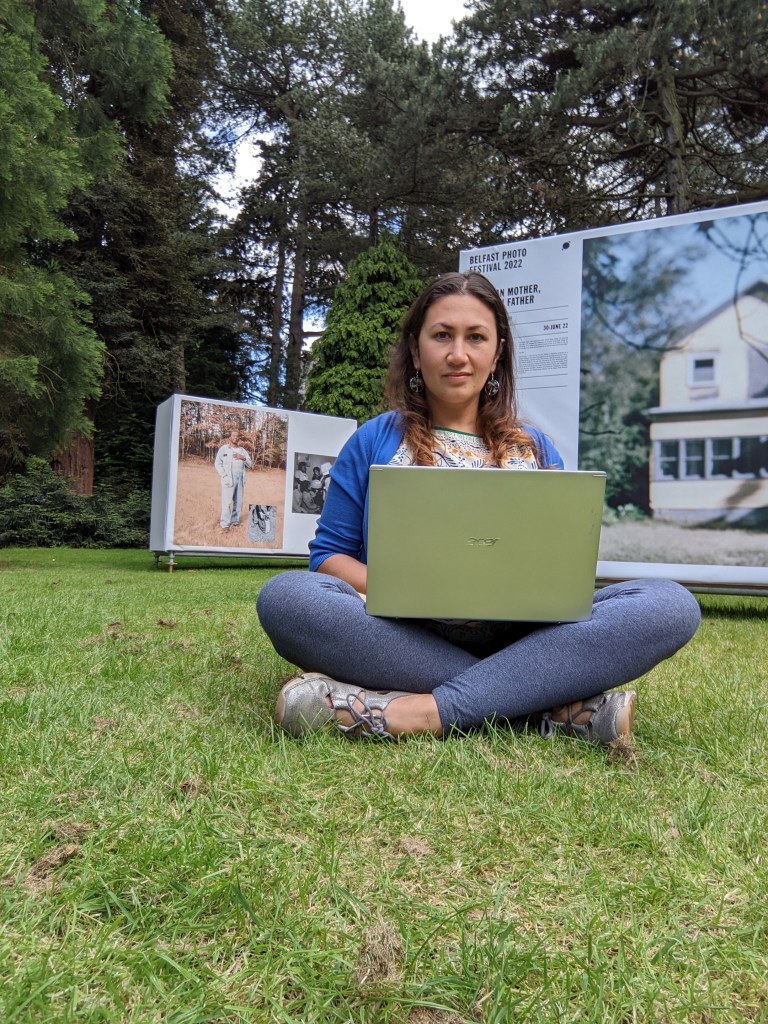
Writing in the park on a sunny day
I was busy last week making final amendments to my soon-to-be-published psychological horror novel The Blue Man and getting it ready for pre-order: all done now and more on this coming soon. My proofreader has the sharpest eyes and caught some last minute bits that needed changed. It’s all in a day’s work!
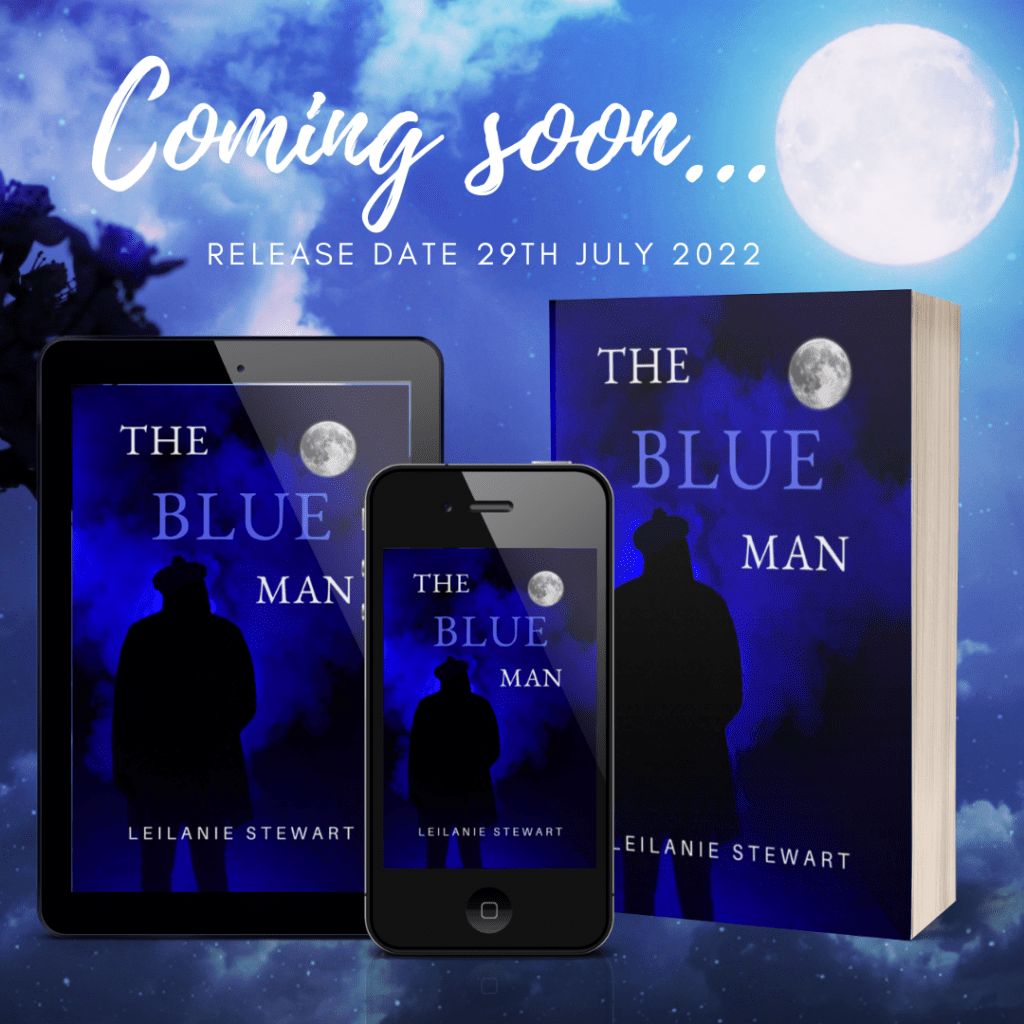
Cover reveal! My third novel, The Blue Man, is now available for pre-order.
It’s a psychological horror – here’s the back cover blurb:
Two best friends. An urban legend. A sinister curse.
Twenty years ago, horror loving Sabrina told her best friend, Megan, the terrifying Irish folk tale of the Blue Man, who sold his soul to the Devil in vengeance against a personal injustice. What should have been the best summer of their schooldays turned into a waking nightmare, as the Blue Man came to haunt Megan. Sabrina, helpless to save Megan from a path of self-destruction and substance abuse as she sought refuge from the terror, left Belfast for a new life in Liverpool.
Twenty years later, the former friends reunited thinking they had escaped the horrors of the past. Both were pregnant for the first time. Both had lived elsewhere and moved back to their hometown, Belfast. Both were wrong about the sinister reality of the Blue Man, as the trauma of their school days caught up to them – and their families.
Why did the Blue Man terrorise Megan? Was there more to the man behind the urban legend? Was their friendship – and mental health – strong enough to overcome a twenty year curse?
The Blue Man will be released on 29th July. More soon…
Finding ways to promote your work as an author with a book in an endless sea of new books is rather like getting caught in the swash and backwash at times. How do you ever get your book out into the wide ocean if it can’t even leave shore?
Since The Buddha’s Bone was released back in October, I’ve placed a few advertisements in KDP Sponsored ads, Ingram Advance Catalogue, Bargain Booksy and Myslexia. These have helped to get my book in front of readers, and my sales peak on days when I run promotions – though sadly I have no money tree in my garden to keep doing this on a regular basis.
Recently I decided to enter a couple of novel competitions too, in an attempt to garner more publicity for my work: the Rubery Book Award and the Bath Novel Award. I chose these two after considering the balance between payment and expected outcome: the reasonable fee for each was worth the opportunity to get my work in front of a new audience; in this case a panel of judges. For reference, I paid £44 for the Rubery Book Award and £29 for the Bath Novel Award.
What now? The longlist for the Bath Novel Award is due this month, and winners for both will be announced in July, so it’s a short wait for me. Regardless of the outcome, it was an experience worth doing as I have learned about the process involved in relation to entering future books into novel competitions. Either way, I’ll be writing another post on the topic, if you’re interested.
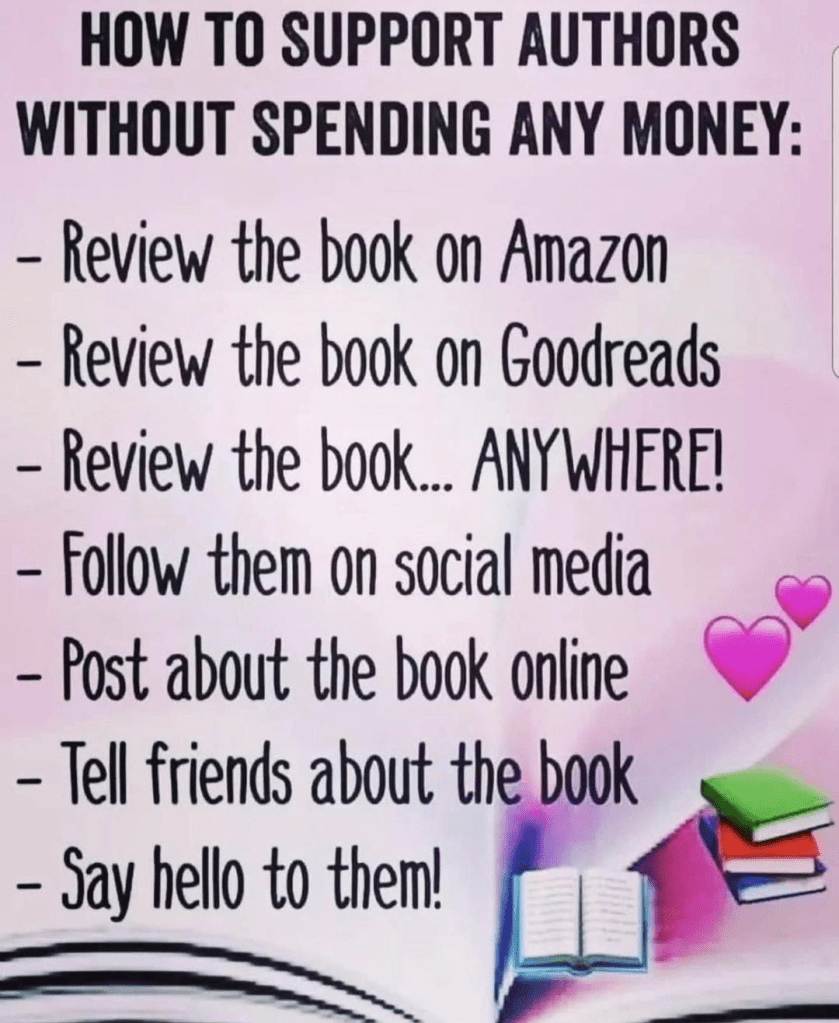
What constitutes supporting an Indie author? Let’s ponder a few scenarios, shall we?
1. If you buy a book by an Indie author you know, but don’t read it, are you supporting them?
2. If you buy a book by an Indie author you know, and read it but don’t leave a review, are you supporting them?
3. If you buy a book by an Indie author you know, read it then tell a friend about it, are you supporting them?
4. If you buy a book by an Indie author you know, read it and write a mediocre review on Goodreads/Amazon, are you supporting them?
5. If you don’t buy a book by an Indie author you know, as it doesn’t sound like your thing, but you like their posts on social media and help promote them, are you supporting them?
Read on down below if you want my thoughts…
Number 1 = Heck no! If I buy a loaf of bread, but don’t eat it, it goes to landfill and damages the environment. An unread book is similar; you’re wasting precious resources. Give it to someone who cares.
Number 2 = Yes, somewhat. Actually reading it supports their writing, though you could do one better and help spread the word.
Number 3 = Yes. Hooray for you, what an awesome Indie supporter you are!
Number 4 = Yes, absolutely. Even a mediocre review shows that you engaged with the book.
Number 5 = Yes, and you’re supporting them also by not patronising them – if you don’t read their genre, but you still help promote them, that’s a better tip of the hat!
About a decade ago, I was working in a secondary school in London and running a creative writing group for gifted and talented young people. The teenagers for this group were recommended to me on the basis of their skills in English. They were all A grade students for a start. A few were interested in becoming writers, or had already been dabbling in poetry and fiction. All showed talent in the group and were knowledgeable about the basics: point of view, characterisation and plot for fiction and the different forms of poetry when writing verse. Yet after the group ended, only around 3 or 4 out of say 10 would continue writing when I checked in in subsequent years until they finished their high school education. Out of all the many dozens I worked with over the years, two contacted me to say that they had since been published: a poet in a couple of print and online literary journals in the UK and US and a crime fiction writer who enrolled to study creative writing alongside her main degree in Criminology at university, who then went on to have stories published in her university’s creative writing magazine.
Am I proud of the young people I have worked with over the years? Hell, yes. Do I take credit for their published work? Absolutely not. Does talent in creative writing matter? It certainly helps. But is it the only thing that matters? No way!
In my experience, skills are more important than talent. If you have raw talent as a writer or poet, but don’t bother to put pen to paper often, you won’t develop as an author. You won’t learn from your mistakes if you have no experience. The same can be said of writing often, but not getting any feedback for your work. A second set of eyes is essential for any serious writer, if they want to improve.
When I was a small child, I showed talent for painting and drawing. Teachers picked up on my propensity for art from a very early age. I spent a good many hours doodling in my books at school and at home, would sketch and colour well into each evening. I developed my skills and became very good at art, eventually achieving the top grade at A-level. Nowadays, I barely draw anything. I don’t have half the skills I had previously acquired. This is because talent alone isn’t enough; taking the time each day to practise and improve is much more important.
Writing is hard. It isn’t simply a case of being inspired by a creative vision and flooding a Word document with your fully developed story. Writing a good short story doesn’t happen overnight; never mind writing a quality novel. If I had £1 for every person who has said to me “oh, you’re such an inspiration, maybe I’ll start writing a novel too.” Would I say to an architect, “oh, that building looks so great I think I’ll just design one myself.”? Not quite so straightforward, is it?
It’s easy to finish summing this post up by saying that skills outweigh talent by a large margin, but I haven’t mentioned the thing that’s even more important than skills. But, I’m sure you’ve guessed what that is already. Yep, it’s dedication. Making the time to write, even when you’re not feeling it, even when it means pushing through writer’s block – that’s what matters. If you don’t make it happen, it’ll never happen. What good is a story when it’s stuck in your head where no one can read it?
Since 25th April, I’ve been back on a strict low carb eating plan. It’s clearly working as I’m having no cravings at all for chocolate or baked goods; this is the only surefire way to manage my sugar addiction. I’ve also done a huge check-in with myself about my approach to food, as I know I’m in this for the long-term; it’s more of a lifestyle overhaul than a diet, if I’m honest. These are my tips for things that I’ve found to work for me.
A change of vocabulary
What’s that got to do with eating, I hear you ask? Everything. In the previous couple of years since I first started keto to manage my weight gain and sugar addiction, I used to beat myself up if I had a ‘cheat day’. Recently I’ve decided that I don’t like the term ‘cheat day’ as it implies something naughty and only served to make me feel guilty for not staying on my strict diet. Nowadays I prefer to say that I’m ‘carb cycling’, which is the same thing, but framed in a more positive way. Lately I’ve been very strict on weekdays then will have moderate amounts of carbs with meals on weekends, when I’m also more active playing with my child too. It agrees with me and makes sure I don’t feel too hard done by about my restrictive eating habits during the week. These days I try hard not to use negative language about myself either. I try not to call myself ‘fat’. It’s hateful, not helpful to do so.
Increasing my portions of fruit
Small amounts of berries are fine for a strict keto diet, but high GI fruits are out. Since my goal is to control my addiction to refined sugar, I haven’t been too worried about eating moderate amounts of high GI fruit with my yogurt for breakfast. Mangos, grapes and bananas are back on my menu. Not only do they give me a nice dopamine boost, but they serve as a satisfying dessert after a savoury meal. I’m very much a person who likes something sweet after a meal; fruit is far better than chocolate or cake. If it stops my cravings for unhealthy junk, then it’s fine for me.
Whole foods are best
The general rule in my family is, if it has more than five ingredients, it should be an occasional treat and not a staple. Generally I prefer to eat things that have one ingredient: in other words, whole foods. My waist line has thanked me for this, not to mention my teeth, which have fared better during my last few dental appointments.
Sixteen eight eating schedule
Most of the time I eat my two, or three meals in an eight hour window between 11am to 7pm. I fast for the other sixteen hours. It’s easy as most of those hours are overnight, so I simply delay my breakfast until 11am the next morning. Of course, on days when I feel under the weather I make sure to eat breakfast with my hubby and child. The body definitely needs more nutrition when it’s unwell, so I never skip meals when I’m feeling sick.
Acceptance
Being realistic is the first step to having a positive mindset. I’ve accepted that my sugar addiction is a lifelong battle that I’m going to have to manage. I’ve accepted that refined sugar is going to be hard to abstain from completely as it’s in many foodstuffs and even medicines, so I’ll have to find a balance that works for me. I’ve accepted that my weight gain – and loss – has changed how I look. But you know what? It’s better to be honest than in denial about things.
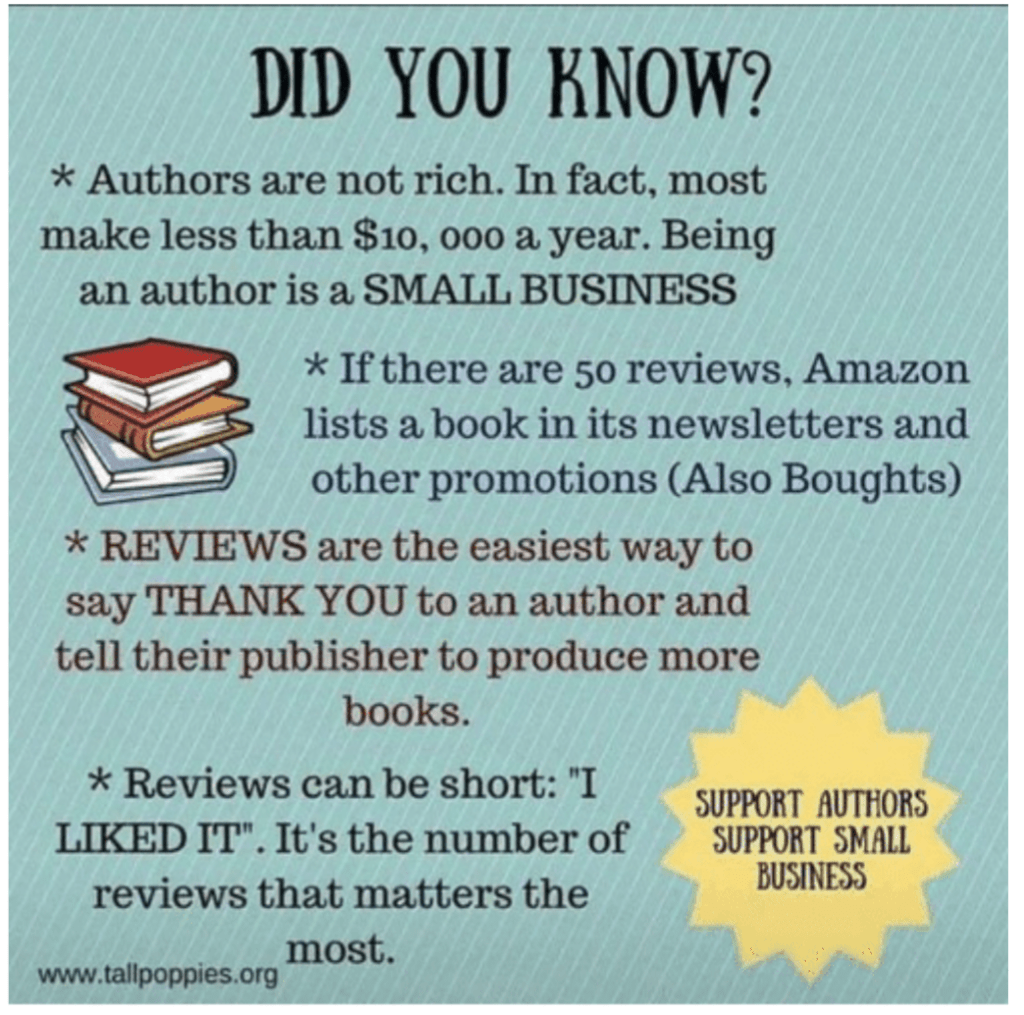
Do you want to know the first thing that people say when I tell them I’m a writer? “I hope you make lots of money”. Is that what it’s all about: money? Not for writers, it isn’t.
No, I think a serious writer cares more about the craft than simply cranking out a hastily written book just to try and make quick cash. For the majority of writers, the money doesn’t roll in each month, it trickles. I’m happy that it’s a steady, monthly trickle; but a trickle it is, not a flow. Apparently the likelihood of becoming the next JK Rowling or Stephenie Meyer is like winning the lottery, in any event, so it’s best never to delude oneself.
I’d be lying if I said I didn’t want to become a professional writer (professional defined in this context by it becoming my full time work – I’m definitely a serious writer, not doing it as a casual endeavour). What writer wouldn’t want to make a living from their passion? But the desire to make enough from my writing to pay the bills with is not what motivates me.
So, what’s my motivation? Well, considering I’ve been writing regularly since I was seven (first through a daily diary, later through short stories and poetry and eventually on to novellas and novels) I’d say that having a creative outlet is what motivates me the most.
Does that mean I don’t write for an audience? Of course not. Just because I don’t make a living from my writing doesn’t mean there aren’t readers for my books. I’ve written about this in past blog posts, but it’s always good to reiterate that I’m a writer like many others: I write the first draft primarily for myself, though the published book will have been honed for an audience.
Since the days of the Epic of Gilgamesh, or the Iliad, storytelling has been a way to tell a tall tale, to pass it on down through the ages and share a slice of artistic culture. If I were living in Sumer in 2000BC, I imagine I’d be a poverty-stricken bard orating a narrative poem to all and sundry. Or maybe an eccentric shaman.
In my experience, writing a novel is the literary equivalent of acting: an actor has to do research to prepare for a role, in order to become the part. Depending on the genre of a book, an author has to do something similar, although as preparation for their character and not themselves. But, where to get ideas or inspiration in the first place?
Everyday conversations
Snippets of conversations can spark ideas. I’ve taken inspiration from conversations I’ve heard on the tube in London, while out doing the grocery shop, or by random passers-by in the park. Of course, it’s always good to fictionalise everything you jot down in your notebook: real life can make for a good source of inspiration, but unless you’re writing non-fiction, it’s best to put your own spin on the yarns you hear.
Recruitment sites
Browsing the job listings can sometimes unveil a huge source of unusual occupations that might just suit the profession of main character in your story. In my second novel, The Buddha’s Bone, I did plenty of research into Clinical Psychology, the training of my main character Kimberly before she changed career to teach English in Japan.
Movies, TV and books
Okay, so I’m not suggesting you rip off the things you watch or read! But whenever I’ve had writer’s block, or been stuck with what direction to take a particular chapter in a work-in-progress, I’ve turned to films or books to critically analyse the ideas or plot. From time to time, this has led to an idea developing off on a tangent, or even sparked a new idea altogether.
Travelling abroad
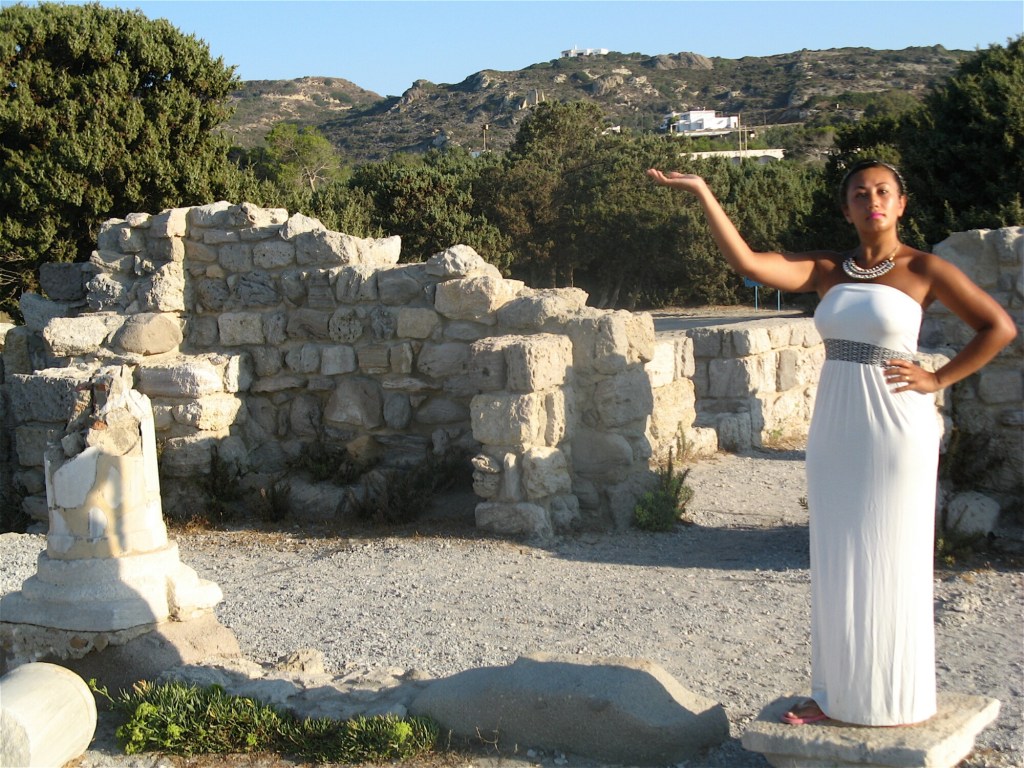
Visiting or living in other countries can provide the perspective we need for our writing. Other cultures and customs that are different from what we are used to is a great basis for a story; or even simply a change of scenery for our main characters. I’m from Belfast in Northern Ireland, but having lived in other places such as London, England and Tottori, Japan has inspired my novels and poetry.
Dreams
Channelling your dreams – or nightmares – into short stories or working them into a novel scene can be a productive use of the subconscious brain’s activity, and a good way to make our nocturnal hours part of our diurnal work. Why not?
Bad experiences
Turning a bad situation into fiction is a great remedy not only for processing a learning experience, but for making lemonade out of lemons (or maybe cider out of rotten apples). Bottoms up!
The takeaway
Take inspiration from everywhere and carry a notebook at all times so you don’t forget those ideas. No idea is a bad one; better to run with it and edit it later than have a blank page. I’ve used all of the above to find fuel for fiction – hope it’s useful fodder for you too.