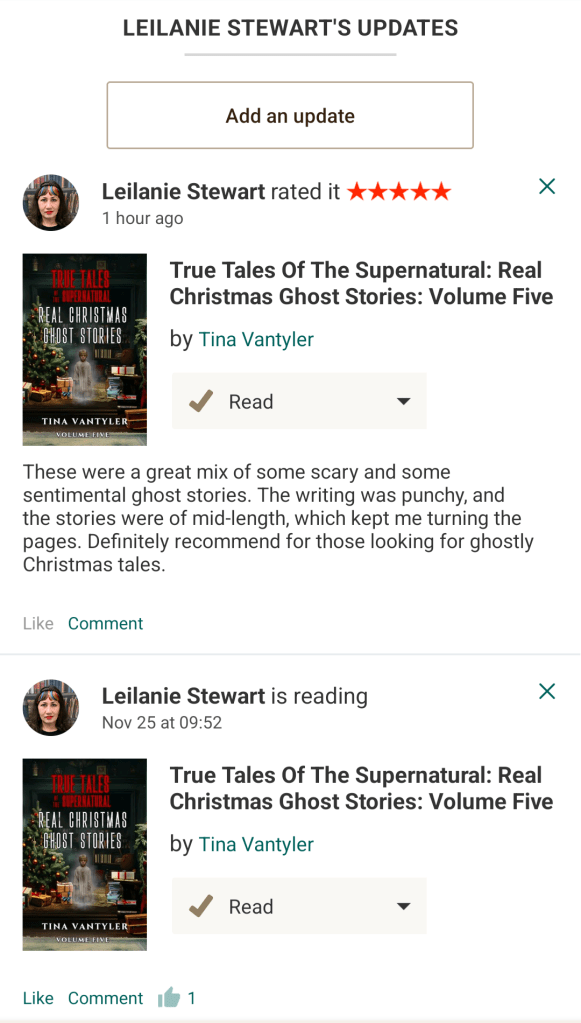
Don’t you just love a spooky seasonal read? Of course, A Christmas Carol is the ultimate ghostly read for yuletide, but I’m always on the hunt for scary ghost stories at this time of year, especially if they’re on Kindle Unlimited.
Any recommendations? Feel free to let me know!
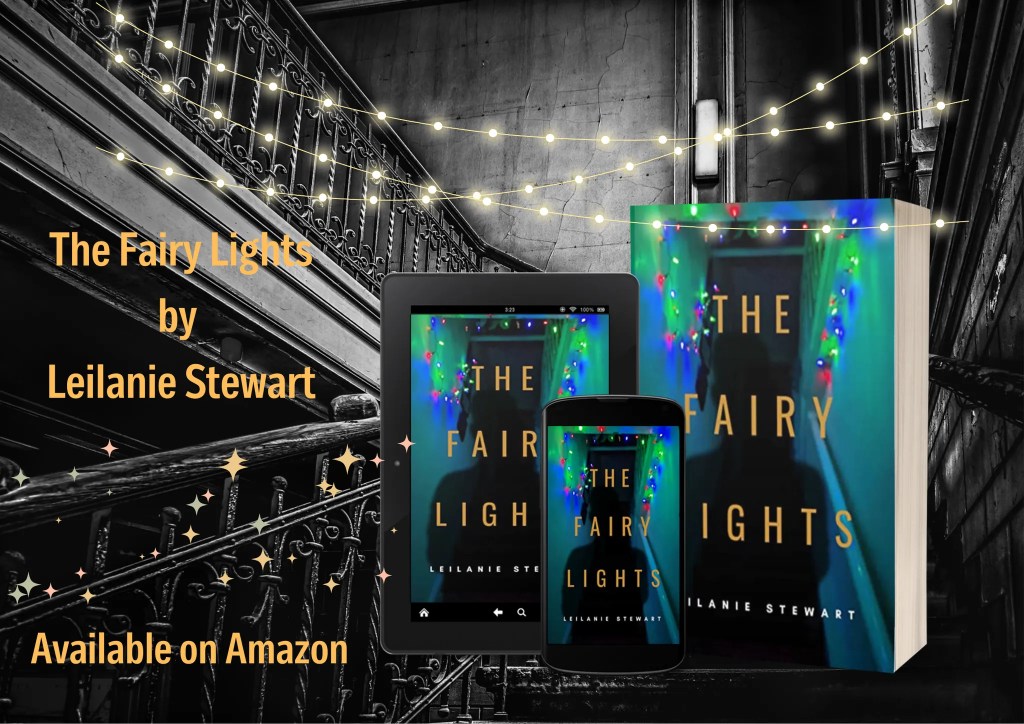
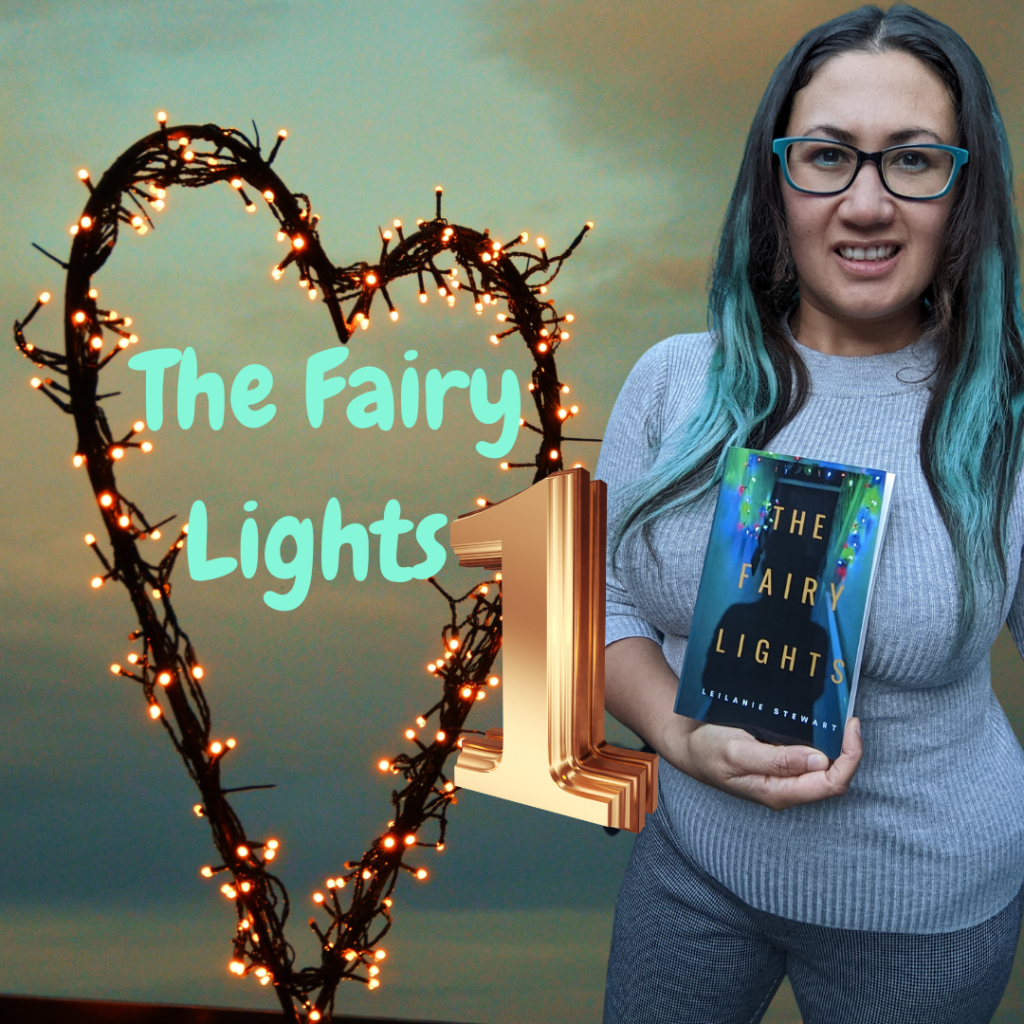
While we’re on the topic, if you want to read my ghostly Christmas novel, The Fairy Lights is only 99p on Amazon UK between 8th and 15th December!
Creative writing is hard. It isn’t easy to make time every day, or week, or whenever you can to pour words onto a computer screen, especially if you (like the majority of writers) aren’t being paid for it.
My mindset today is quite different than a decade ago. Ten years ago, I was motivated by big dreams of getting a literary agent and a big, mainstream publisher. I wanted a big advance and to retire from my day job to work, full-time, as an author. I was motivated by rags to riches stories like those of J.K. Rowling and E.L. James. After a string of rejections, and one or two glossy offers of publication that soon lost their shine, I soon forgot about agents, publishers and unrealistic big advances, or notions of the full-time author dream and began to focus on getting my work out into the world. After all, what good is 3 sample chapters of a novel MS if they’re left sitting on an editor’s desk for a year, only to be glanced at for five minutes, then given a form rejection. Nope; I was much too impatient for that, and wanted more control over my writing fate.
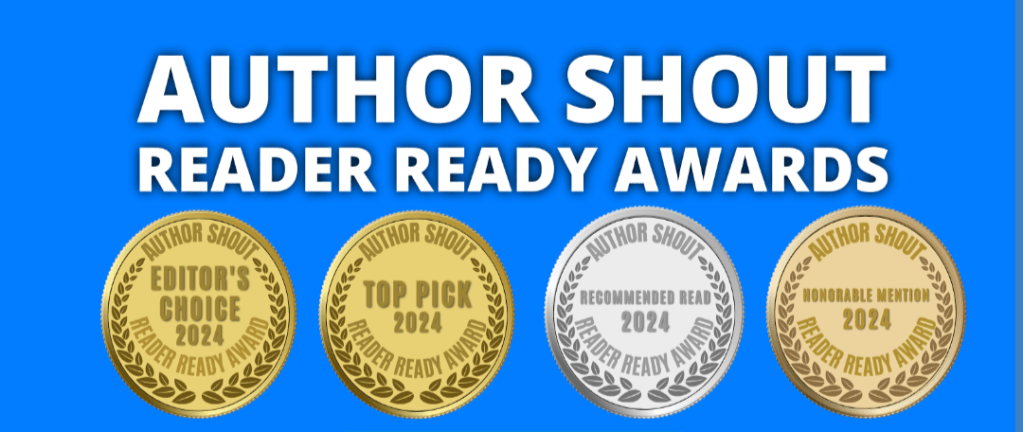
Really exciting news to share as I found out on November 15th that my yuletide ghost novel, The Fairy Lights, is through to phase 2 of the Author Shout Reader Ready Awards. The finalists will be announced on December 15th and the winners in January. I’m keeping my fingers and toes and anything else that I can manage, crossed!
I was waiting for the good news from March this year, though not expecting anything, so it was a lovely surprise to be notified by email from the Author Shout team. Their judging process included selection for phase 2 based on the quality of the cover, blurb and sample from the ‘Look Inside’ feature. They’re now reading the ePub file of my book, so I’ll be on tenterhooks for a couple more weeks yet. Will let you know.
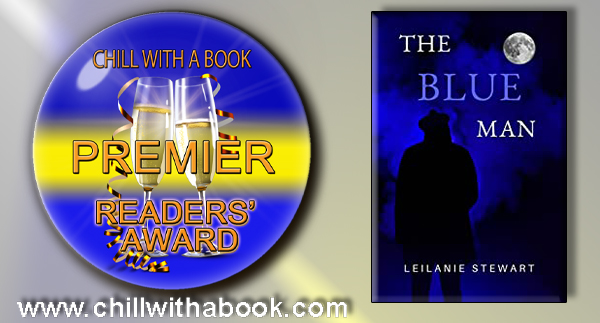
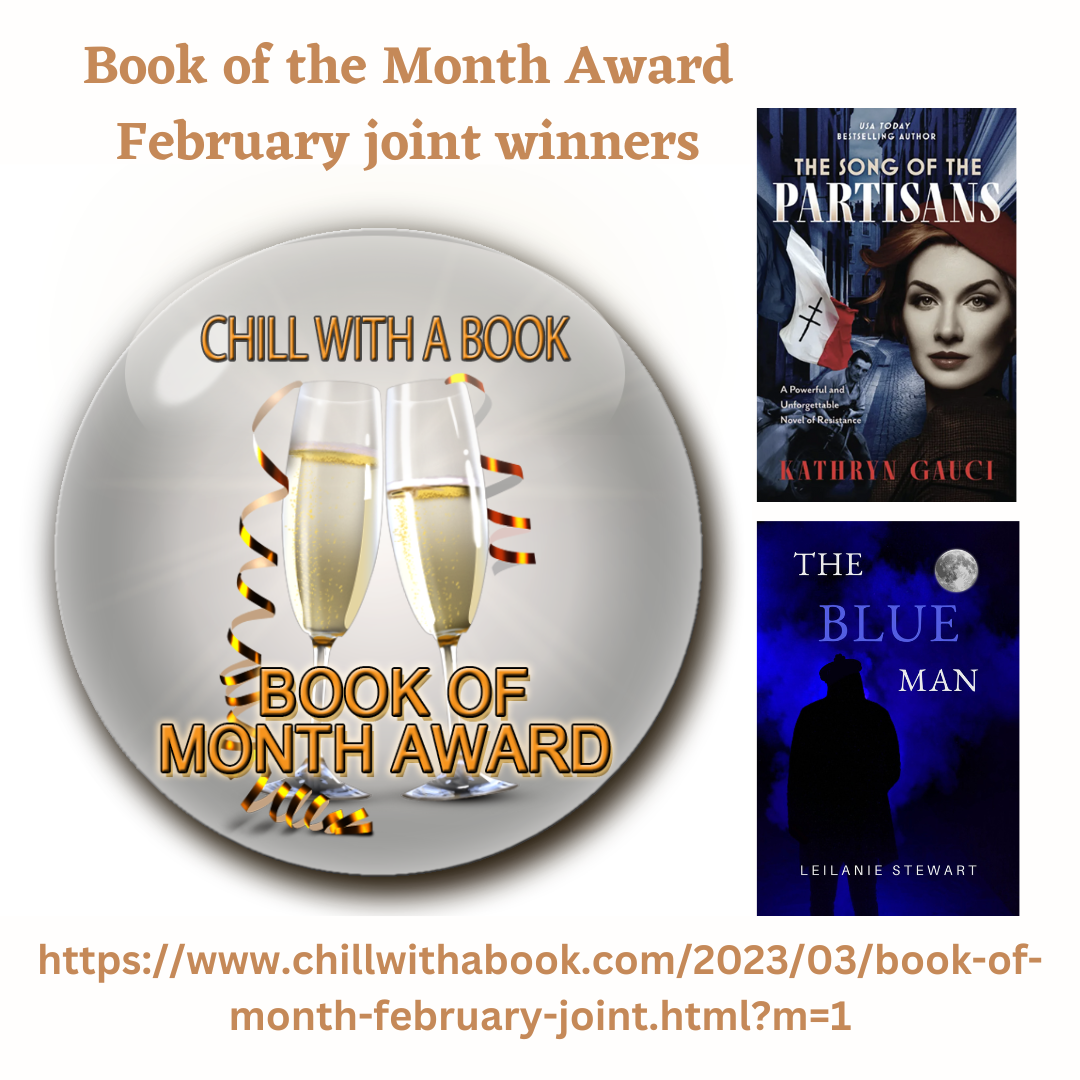
Found out some sad news recently that Chill Awards is now closed for good. Many thanks to Pauline and a great team of readers in the UK and Spain for running these awesome awards and providing a great resource for authors for many years. Chill Awards supported Indie and small press authors by nominating winning books for their Chill with a Book Premier Readers’ Awards and Book of the Month prizes. One of my own novels – my most popular book, The Blue Man – won both of these awards during February and March this year.
Writing competitions are a great boost for authors, especially ones that incorporate such a fair and transparent selection process as Chill Awards did, by using a panel of readers and judging books against a checklist of criteria. Farewell to Chill Awards and thank you for all your amazing support for authors. Wishing you all the best in your future endeavours, Pauline!
Today marks one month of publication for my fifth novel, Book 3 in my Belfast Ghosts series: Matthew’s Twin. To celebrate, it’s on a Kindle countdown deal, so you can grab a copy for only 99p on Amazon UK until 27th November.
Every new book I write becomes my favourite, and each book does better than its predecessor on launch day. I compare my books only to my own back catalogue, for that is my competition. In that respect, Matthew’s Twin has had the most success to date, out of all five of my novels so far. Here’s the breakdown:
Is it necessary to have a degree, or a master’s degree, in creative writing in order to become a published author? No – I certainly don’t have a creative writing degree. All of my experience has been obtained on the job. Nevertheless, if a person decides that writing is the career they wish to pursue, but has no prior experience and needs a starting point, then a degree in creative writing might be the best option.
Personally, I like the idea of studying other subjects that can provide material for use in one’s writing career. Recently, I read an article in The Guardian about how the University of Exeter is now offering courses in Magic and Occult Science. That absolutely sounds like a course I would enjoy doing, as it relates to archaeology and folklore, as well as tying in my current occult horror interests (in case you didn’t know, I studied archaeology and palaeoecology at Queen’s University in Belfast, something that has inspired many of my stories and poems ever since).
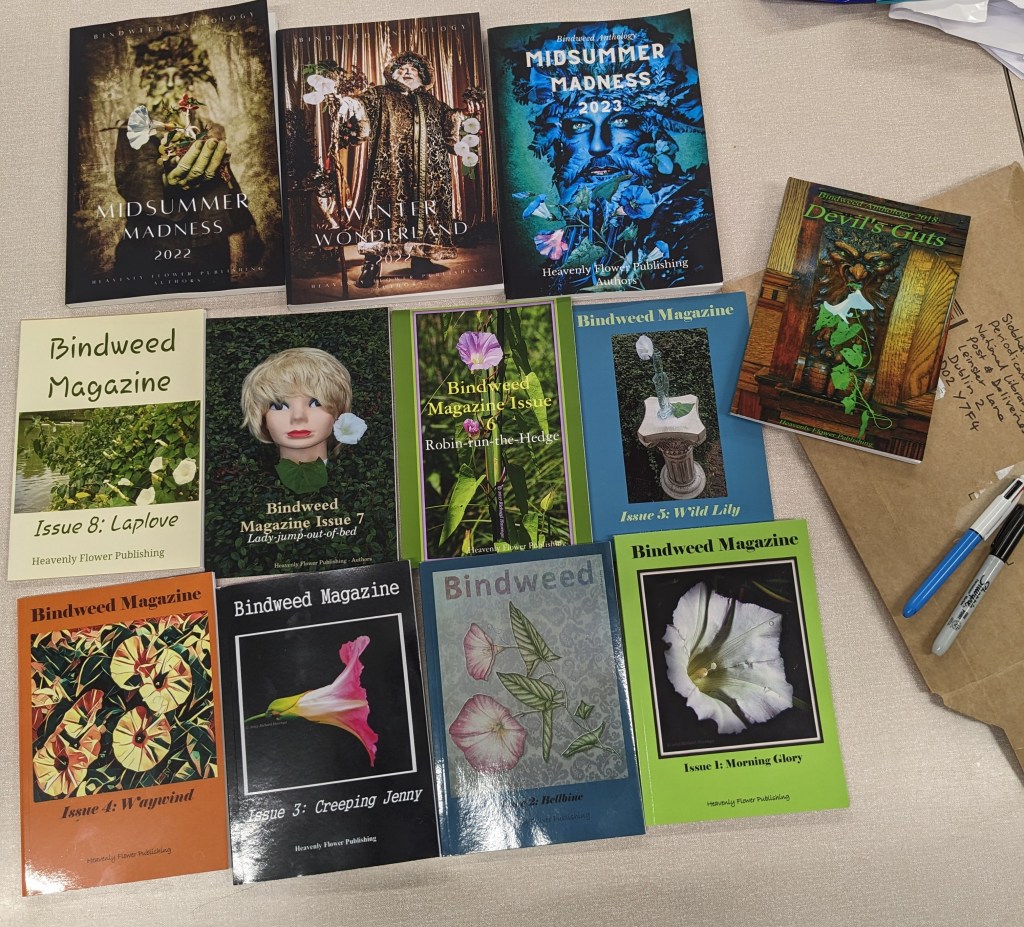
Last week, I sent off all twelve back issues of Bindweed Magazine (1-8), and our 4 anthologies (Devil’s Guts 2018, Midsummer Madness 2022, Winter Wonderland 2022 and Midsummer Madness 2023) upon request to the National Library of Ireland. This is great news, as it means our whole back catalogue will be available for readers in the periodicals department.
Our little labour of love publication has certainly grown in recent years. I honestly could do with hiring a team to help out reading submissions, which would give me more time to format the eBook copies and typeset the paperback versions of the anthologies for publication – but sadly, I don’t have the money to pay anyone. We don’t even have the money to pay our contributors. Any money from sales goes back into running the Bindweed website and as payment to winners for our Editor’s pick poetry and fiction prizes in each anthology.
On the other hand, I’m proud that Bindweed is totally independent. We don’t receive any Arts Council funding, or indeed, any other funding at all. Like convolvulus arvensis, our publication is a beautiful weed that will continue growing and spreading across the garden fence of the world, all by itself.
It’s the one year bookiversary for The Fairy Lights. Hurray! Book 2 in my Belfast Ghosts series is actually my fourth published novel, and is currently my second most popular book after The Blue Man, in terms of sales. With the first year milestone gone, here are my publishing observations – essentially what I’ve learned:
1. The Fairy Lights sells better in the UK
78% of sales have been in the UK
12% of sales have been in the US
6% of sales have been in Canada
2% of sales have been in Netherlands
I’m guessing that because it’s a Northern Irish based story, this appeals to UK readers more? Since I’ve never actually studied marketing, I can’t say for sure.
2. Only 4% of friends and family bought my book!
Depressing, huh? Oh well. In a way, I’m glad that the majority of my readers are anonymous folks who buy my books through KDP sponsored ads, simply because they liked the look of the cover/blurb/my keywords, etc (again, I’m no marketing expert, so can’t say for sure…)
It’s the penultimate month of the year and you know what? I’m feeling it. Ibiza seems like it was a million years ago. Work (my day profession) has been fully full-on in the swing of the GCSE year with mock exam after mock exam. I feel like I’ve barely had time for my writing – and in a sense, that’s sadly true.
It’s time for a health check in. I haven’t written a diet post since the summer. This is a really good time to include a sugar addiction post since, as the weather is getting colder, this is often the time of year when I pile on the pounds. There are several reasons for this: my desire for stodgy foods in winter comes to mind, as does the need for seasonal treats (Halloween candy) and festivities (Christmas meals with family, friends and colleagues).
It’s impossible for me to be completely strict with my diet; I am unable to stay low carb permanently. Travelling, for example, makes a low carb diet harder to manage, as it isn’t always possible to get suitable foods. Sandwiches are the most widely available food and at times I’ve had to resort to this high carb option rather than go without food. Busy times at work or while doing childcare have driven me to choose more widely available foods – and by widely available, I mean starchy. Having to grab high carb foods is something that I have no control over, if that is all that is available or convenient.
Having said that, there are other things that I do have control over, such as choosing not to eat sugary desserts and junk food. I’m proud that it’s now November, therefore month eleven, of me eating none of the following:
– Chocolate – Ice cream – Cake – Biscuits – Refined sugar desserts of any kind
I’m hoping that after a year of managing a sugary dessert-free lifestyle, it will become second nature. It isn’t habit yet; I still have a ‘reflex’ action to reach for a biscuit at work, or home, especially when an open packet is in front of me.
I suppose my sugar addiction is something that will always be there, waiting in the background for a moment to rear its ugly head. Maybe it’s a comparable situation to other addictions such as tobacco or alcohol, though I can’t say for sure as neither have affected me. I think it’s a case of needing to control my impulse to binge-eat sugary junk. I can’t control the desire, but I can control my actions – and it’s becoming easier to turn away from the ‘treats’ than to pick one up. A little. Little by little.